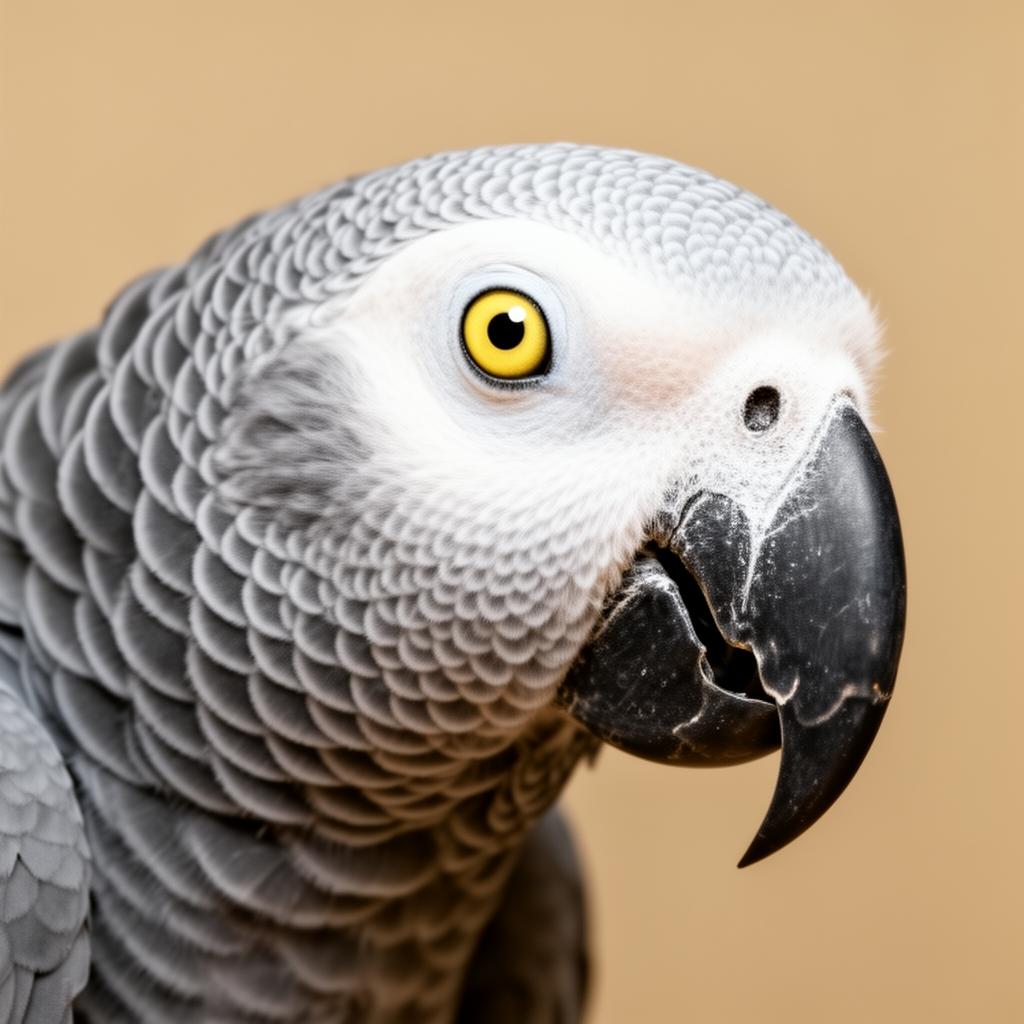
About the African Grey
Discover the history, characteristics, and remarkable abilities of the world's most intelligent parrot.
Species Overview
The African grey parrot (Psittacus erithacus) is one of the most beloved companion birds in the world. Native to the equatorial rainforests of West and Central Africa, these parrots have captivated humans for centuries with their striking appearance and extraordinary cognitive abilities.
Known for their advanced problem-solving skills and emotional sensitivity, African greys are often compared to toddlers in terms of intelligence. They require dedicated care, mental stimulation, and social interaction to thrive in captivity.
Quick Facts
12–14 inches
Size
33 cm body length
400–650 grams
Weight
Congo slightly heavier
West & Central Africa
Origin
Equatorial rainforests
40–60 years
Lifespan
With excellent care
Gentle & Sensitive
Personality
Bonds deeply with owner
Two Distinct Subspecies
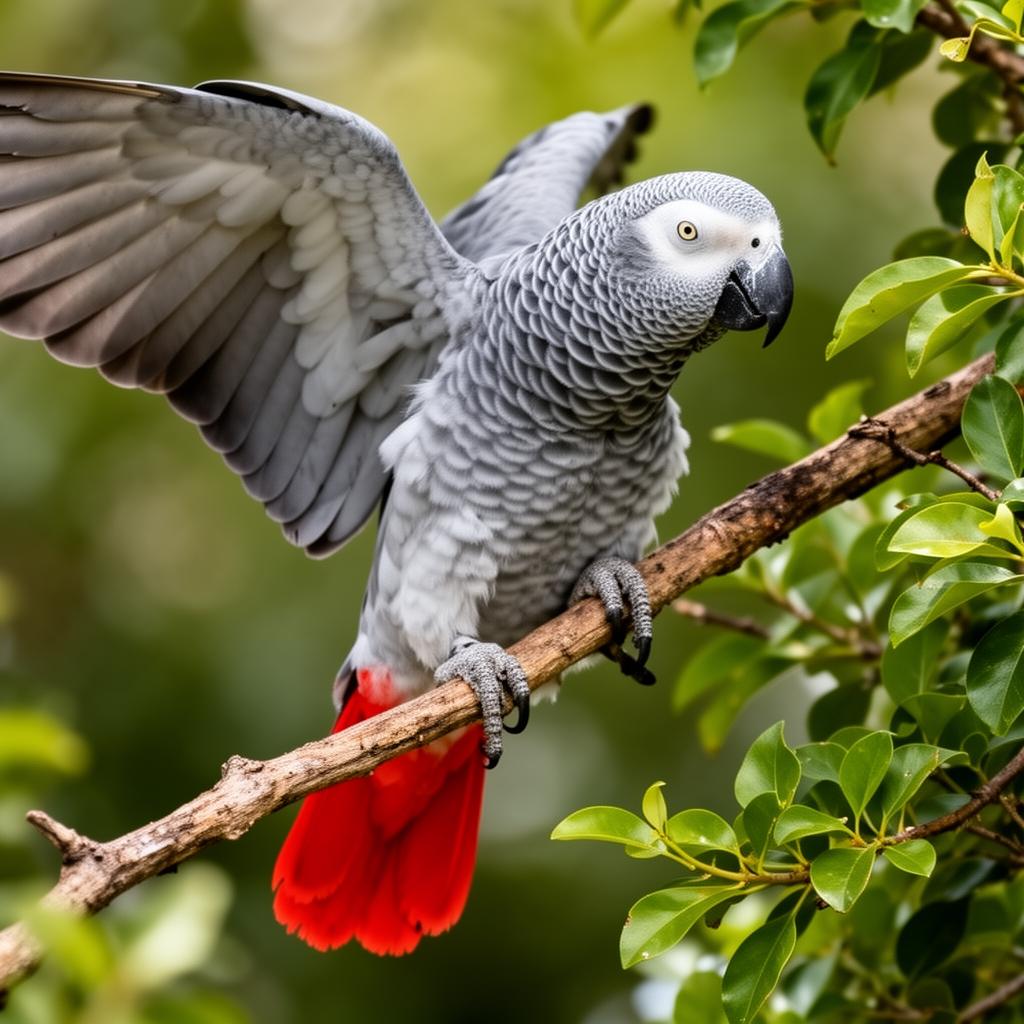
Congo African Grey
Psittacus erithacus erithacus
- Larger body size (13–14 inches)
- Light grey body with white face
- Bright, vivid red tail feathers
- Black beak with a lighter grey tip
- Pale yellow eyes in adults
Timneh African Grey
Psittacus erithacus timneh
- Smaller body size (11–12 inches)
- Darker charcoal grey body
- Deep maroon (burgundy) tail
- Horn-colored upper beak (lighter)
- Dark eyes even as adults
Remarkable Intelligence
African grey parrots are widely regarded as the most intelligent parrot species. Research led by Dr. Irene Pepperberg with the famous parrot Alex demonstrated cognitive abilities comparable to a 5-year-old human child, including understanding concepts like same/different, bigger/smaller, and even zero-like concepts.
Their capacity for speech goes far beyond mimicry. Many African greys use words contextually, answer questions, and can associate words with objects, colors, shapes, and materials. Some individuals have vocabularies exceeding 1,000 words.
This intelligence means they require constant mental stimulation. Without adequate enrichment, they can develop behavioral issues including feather plucking and excessive screaming.